Water Governance
Pakistan is an agricultural country, and thus irrigation is the backbone of its rural economy. The irrigation system in Pakistan is now one of the largest integrated irrigation networks in the world. It consists of the Indus River and its tributaries, three major storage reservoirs, 19 barrages, 12 inter-river link canals, 43 irrigation canal commands, and over 110,000 watercourses that deliver water to farms, households, and industrial units. Water is diverted from the rivers by barrages or headworks into the main canals. Generally, the hierarchical canal system runs from main canals to branch canals, distributaries/minors, and watercourses that supply water to agricultural fields in chucks or dehs (tertiary irrigation command area) through moghas (ungated outlets) in distributaries and minors.
Indus Consortium, in partnership with Oxfam Novib Pakistan, implemented the “Improving Water Governance and Promoting Water Cooperation” project (IWG & PWC) from April 2014 to December 2015. Under the project, Indus Consortium conducted the following research:
Indus Consortium, in partnership with Oxfam Novib Pakistan, implemented the “Improving Water Governance and Promoting Water Cooperation” project (IWG & PWC) from April 2014 to December 2015. Under the project, Indus Consortium conducted the following research:
- Water Governance
- Farmer’s Guidebook in Urdu and Sindhi
- Provincial Policy Brief Punjab
- Provincial Policy Brief Sindh
- Key Policy Issues in Sindh
- Policy Framework Sindh
Indus Consortium formed a tail-end farmer’s alliance at Akram wah Badin, Daajal canal Rajanpur, and Rangpur canal Muzaffergarh. The capacity building of farmers on the SIDA and PIDA acts was conducted. The gap between the tail-end farmers, SIDA, PIDA, and irrigation authorities was reduced, and many issues of tail-end farmers were resolved.Under the project, an inclusive provincial policy dialogue was organized in Sindh and Punjab to engage all stakeholders, including tail-end farmers, academic institutions, water experts, SIDA, PIDA, irrigation authorities, and ministers, to submit recommendations on behalf of tail-end farmers to relevant policy-making authorities. The exposure visit of tail-end farmers of Punjab and Sindh was also organized to create solidarity among tailed farmers and promote provincial water cooperation.
The outcomes of the project were:
- The tail-end farmers of Badin, which is the tail end of the Indus Basin, received water after 13 years.
- The women’s agenda in the irrigation reform process was discussed and recognized by the SIDA and PIDA authorities.
- The tail-end farmers were prioritized, and provincial policy briefs were submitted to irrigation ministries for policy formulation.
- Provincial water cooperation increased among civil society, academic institutions, tail-end farmers, journalists, and other relevant forums.
Project success:
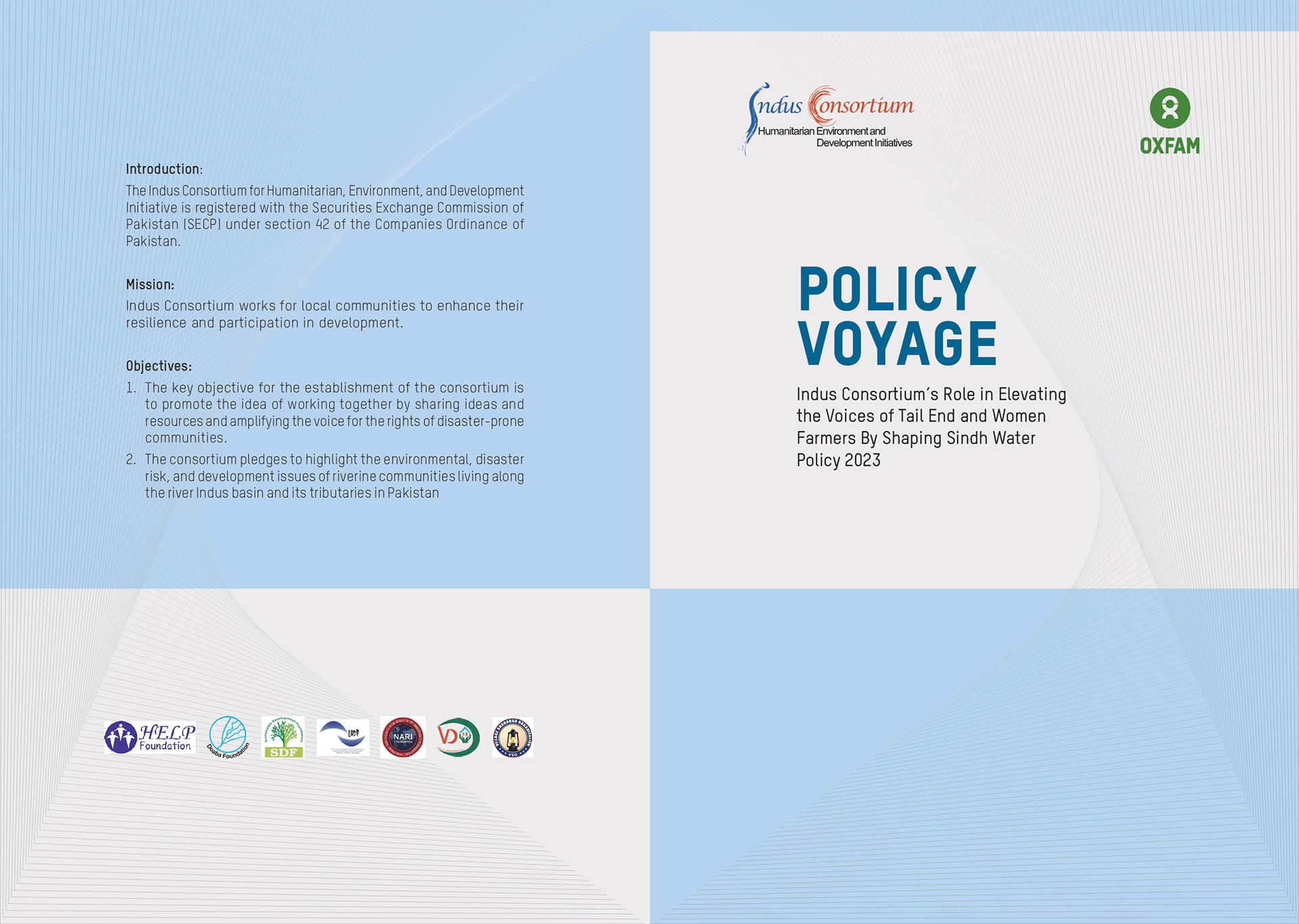
A major success was the approval of the “Sindh Water Policy” by the provincial cabinet on July 22, 2023. The Indus Consortium played a pivotal role in influencing policy development, particularly the Irrigation Policy Framework for Sindh, ensuring stakeholder inclusion. Through a structured project design that emphasized mobilization, capacity-building, and robust research methodologies, the Consortium integrated stakeholder perspectives into policy formulation. Focusing on sustainability, livelihoods, gender equality, and inclusion, the Consortium empowered small growers and tail-end farmers through alliances, evidence-based research, capacity building, media engagement, and consultative workshops. The resulting policy recommendations underscored water sustainability, fair distribution, informed decision-making, and gender-inclusive practices.The Irrigation Department Government of Sindh duly acknowledged Indus Consortium’s efforts in policy formulation.
Water and Sanitation Governance:
Under the Water and Sanitation Governance project, with the partnership of Small Grants and Ambassador Fund Program (SGAFP), USAID, was implemented at Badin, Sindh, from September 2016 to July 2017. The WASH UC alliance comprised communities that were formulated and trained on leadership, CBO management, advocacy, lobbying, and WASH practices. The community engaged with the public health engineering department to develop and submit WASH schemes of villages and advocated for budget allocation to accomplish the schemes. The Sindh Agriculture University Tando Jam was engaged, and a zero two-credit hour course on WASH was designed and implemented. Fifty students of the master’s class studied the course, appeared in the test, and received certificates. Active students were engaged to form a theatre group of students and trained for theatre performances to create awareness of WASH through theatre. A total of 24 theatre performances were organized in the villages by the students of Agriculture University Tando Jam.
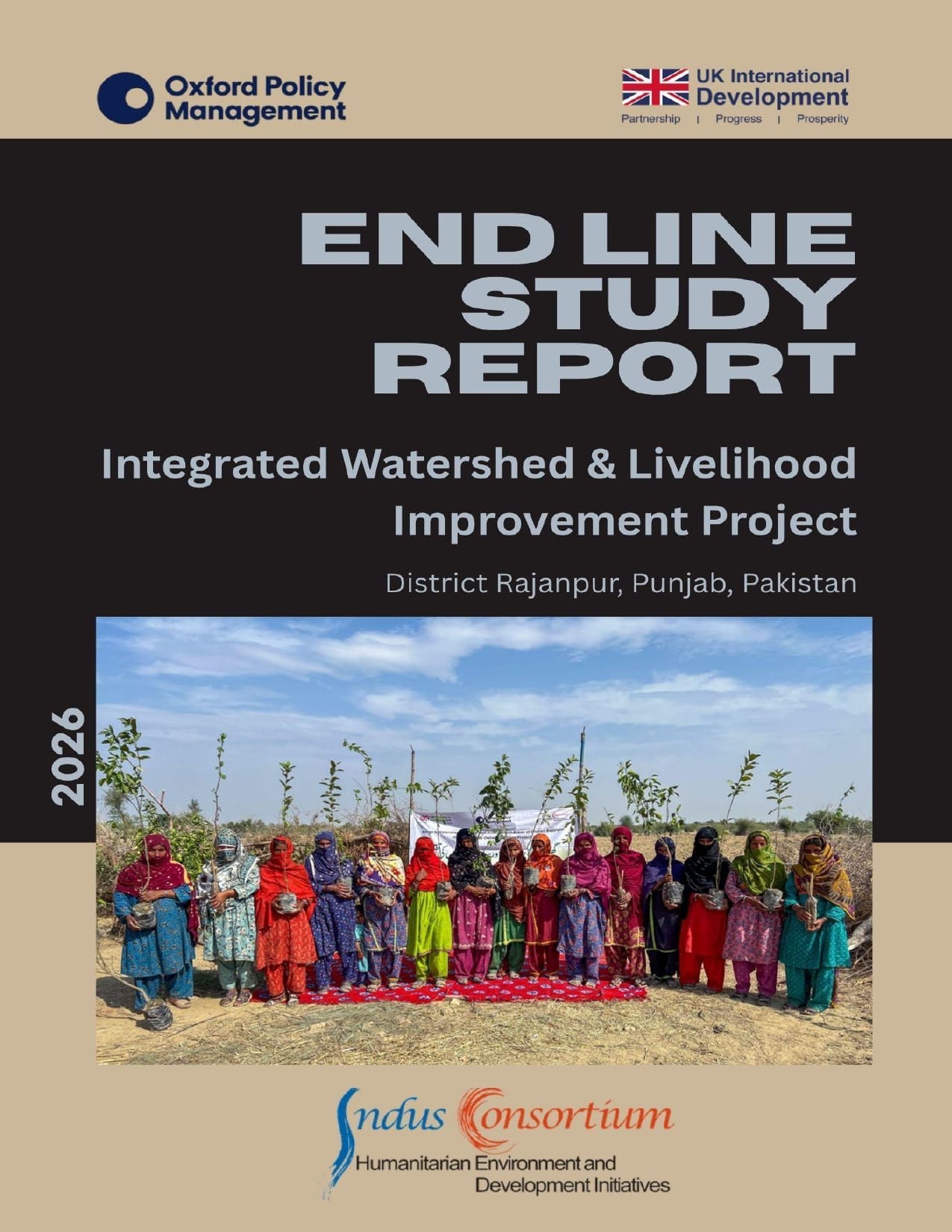
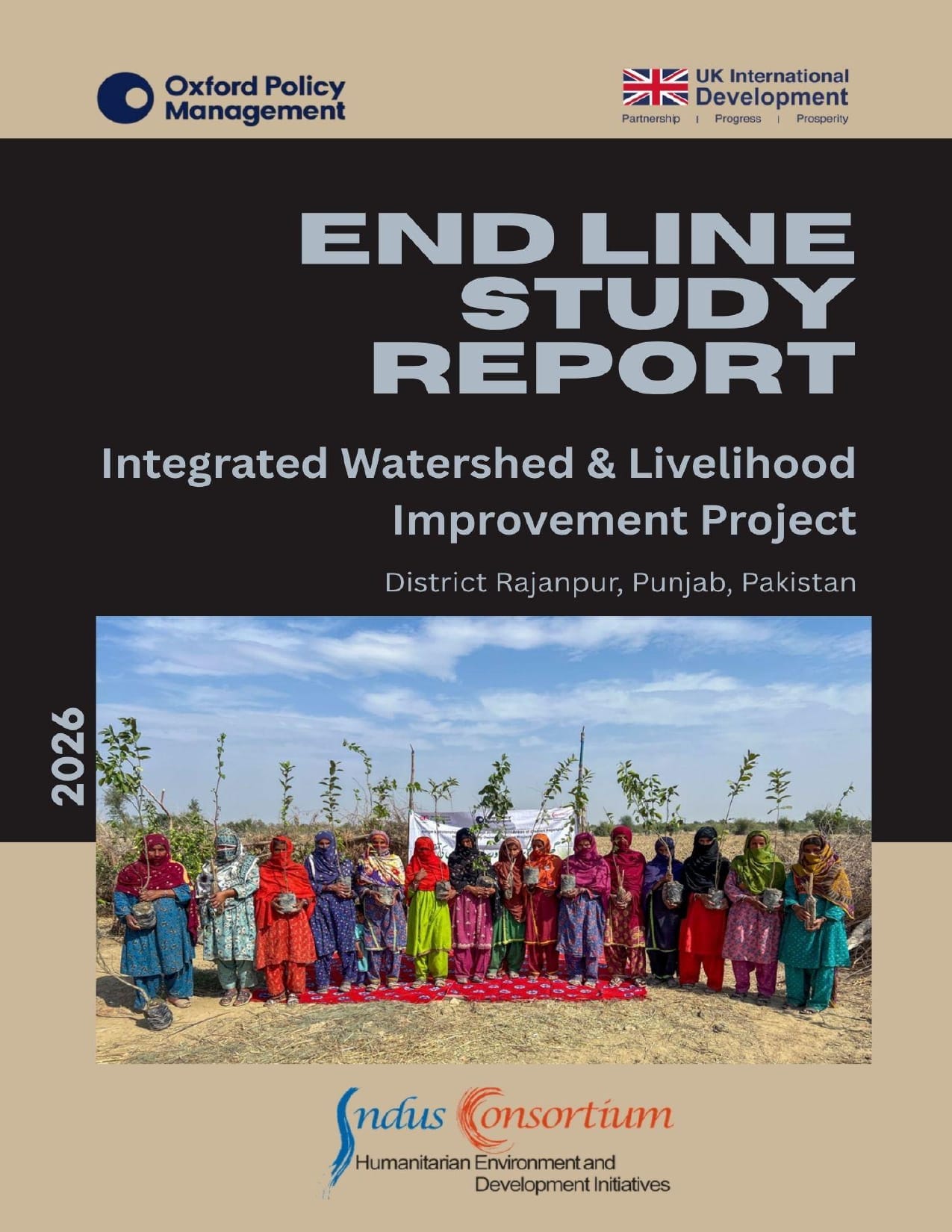
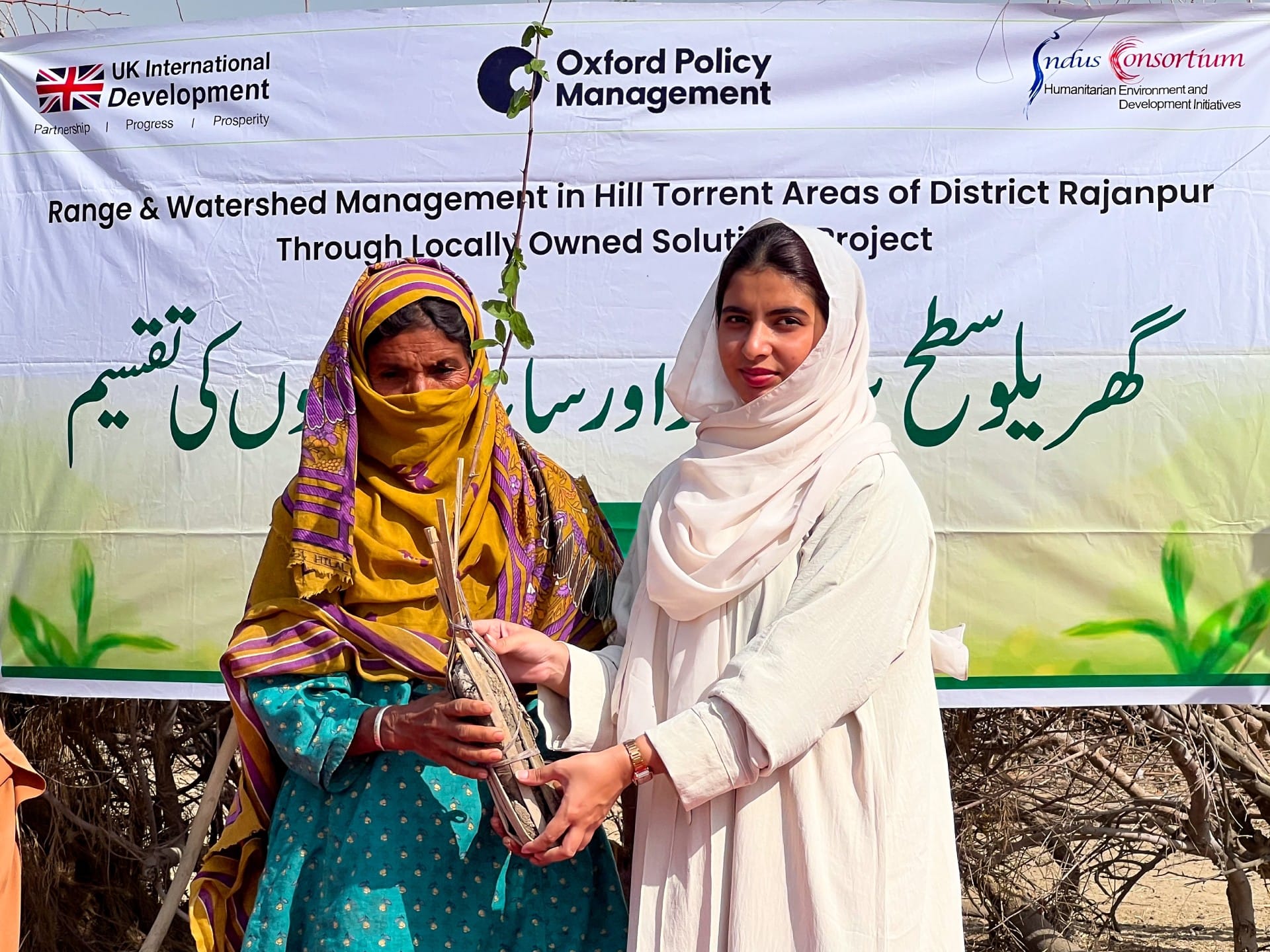
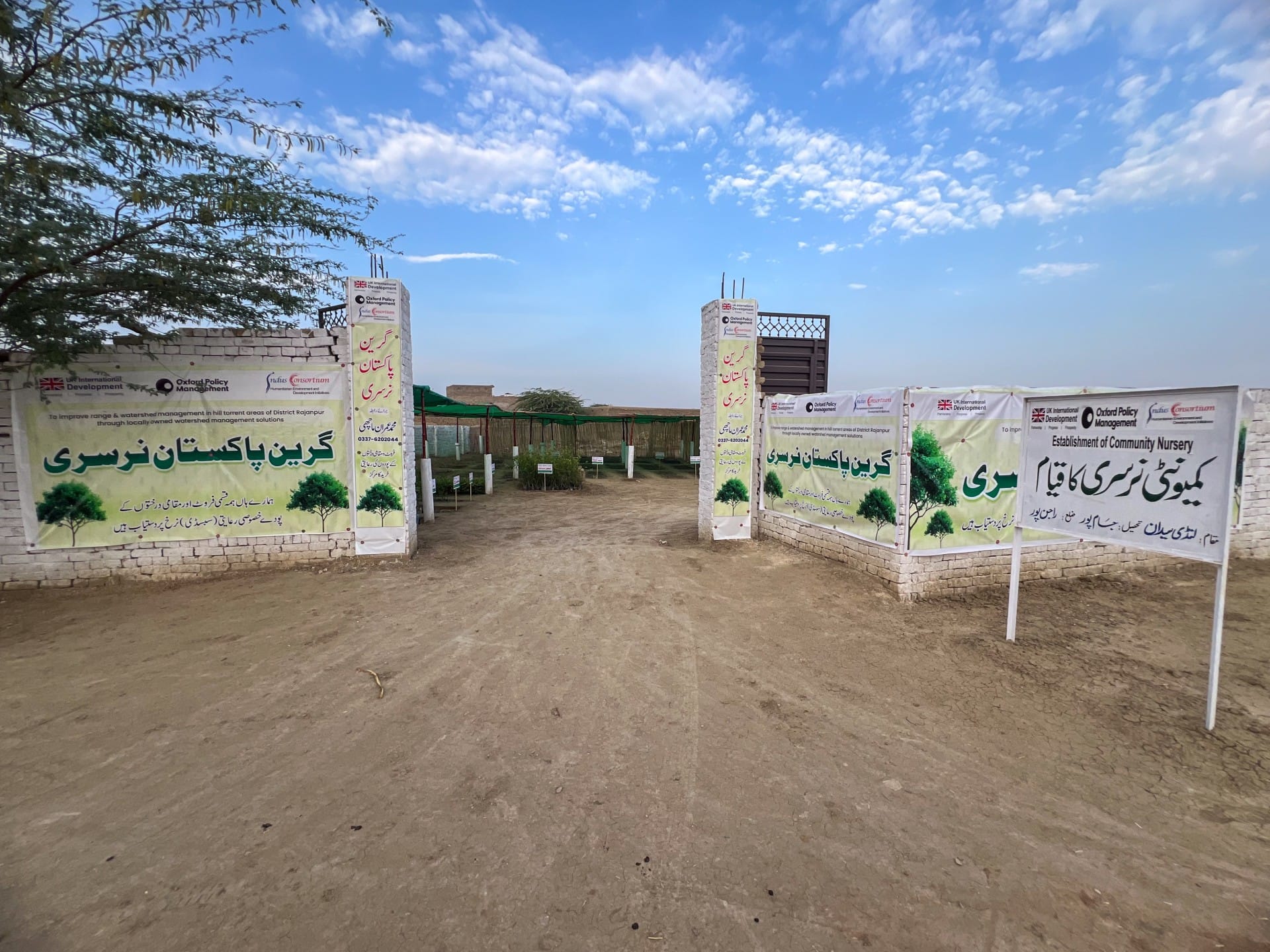
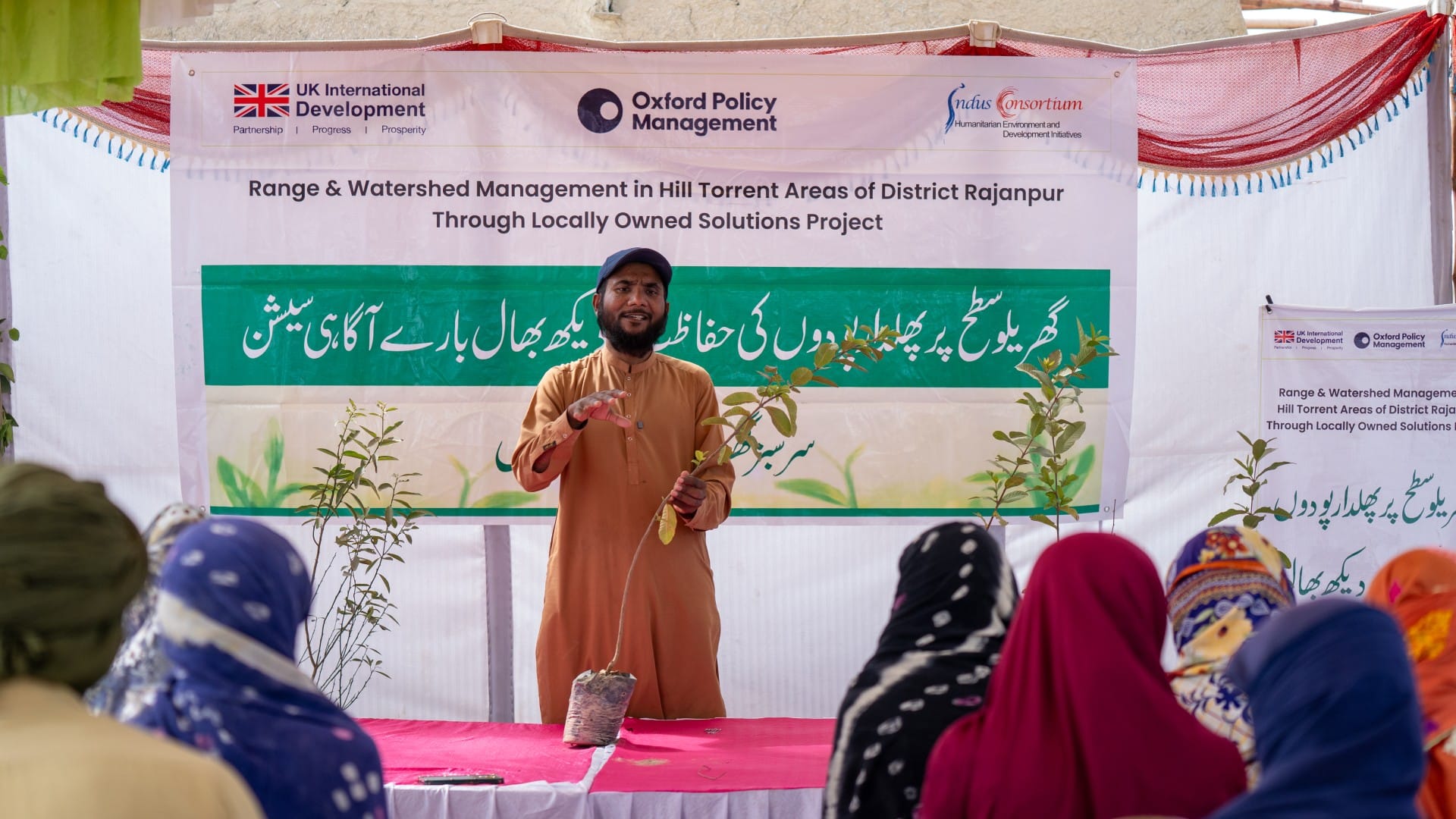
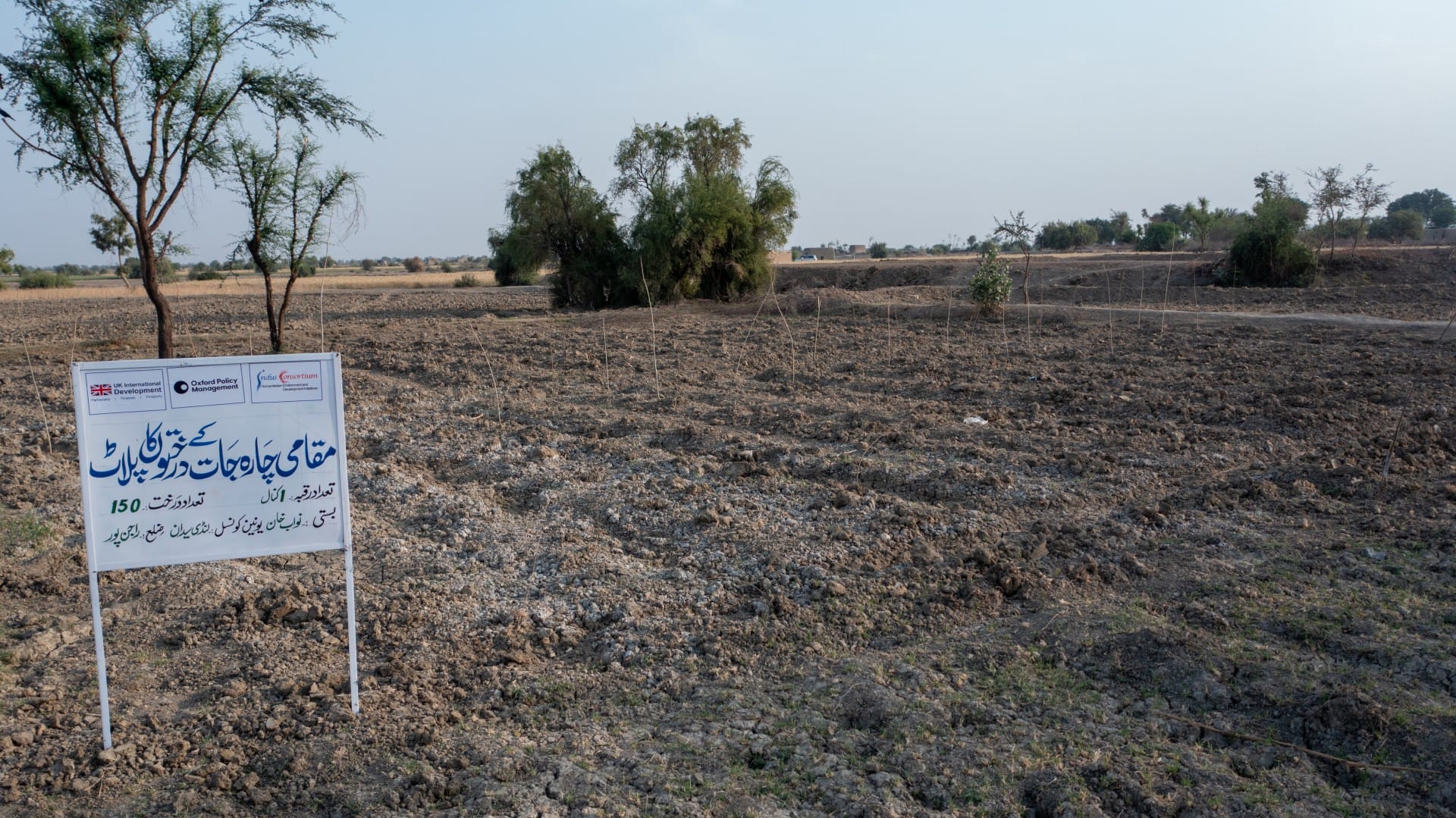
To improve range and watershed management in hill torrent areas of District Rajnapur through locally led watershed management solutions
Location: District Rajnpaur, Punjab Province
Partnership with Oxford Policy Management
Funded by Foreign, Commonwealth & Development Office (FCDO) United Kingdom under Catalytic Fund- water Resource Accountability in Pakistan (CF-WRAP)
Problem statement:
The Rajnapur district has multiple challenges including Water Insecurity & Degraded Rangelands in Hill Torrent Areas of Rajanpur:
Core Issues which communities are facing:
- Repeated flash floods and drought cycles causing severe land degradation and loss of livelihoods.
- Inefficient water storage and management lead to water scarcity for people, crops, and livestock.
- Deforestation and poor range management creating soil erosion and reduce fodder availability.
- Limited community participation, especially of women and marginalized groups, in local range management governance.
Key interventions:
Locally Owned Watershed & Range Management Solutions:
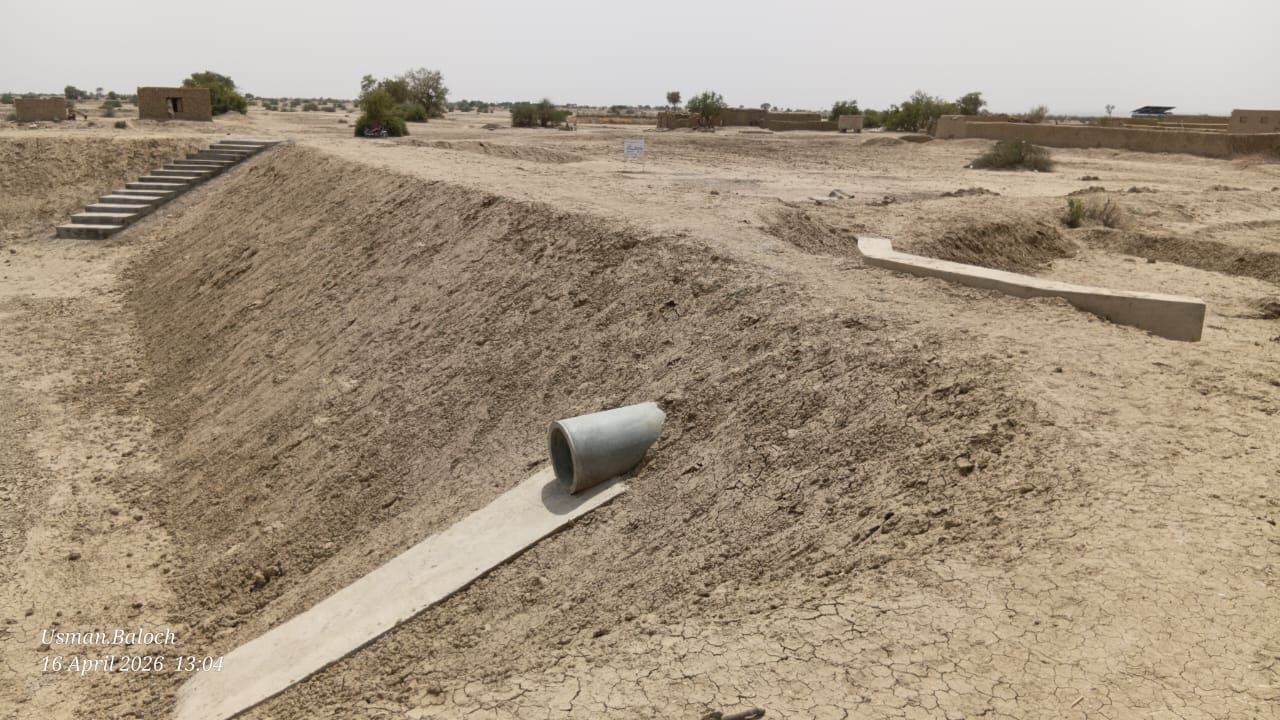
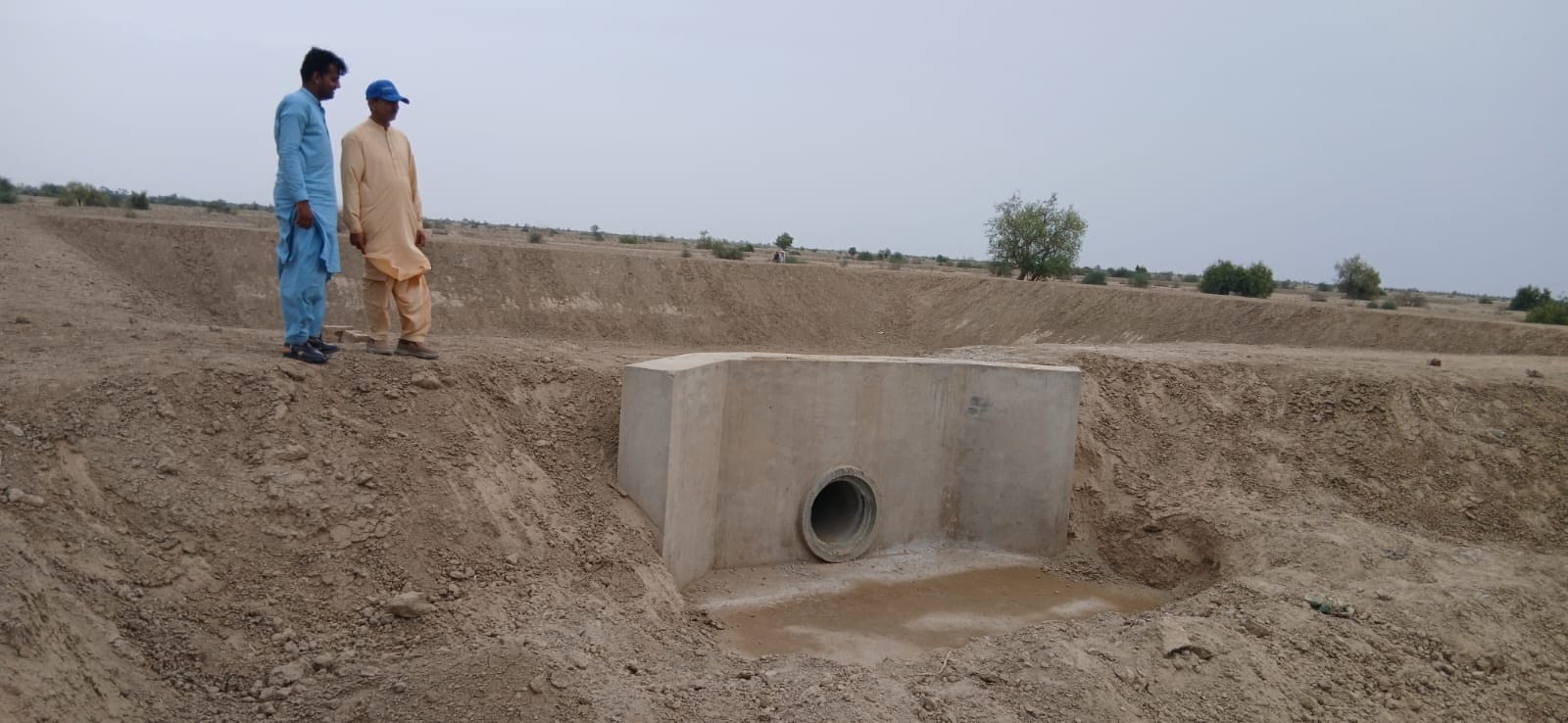
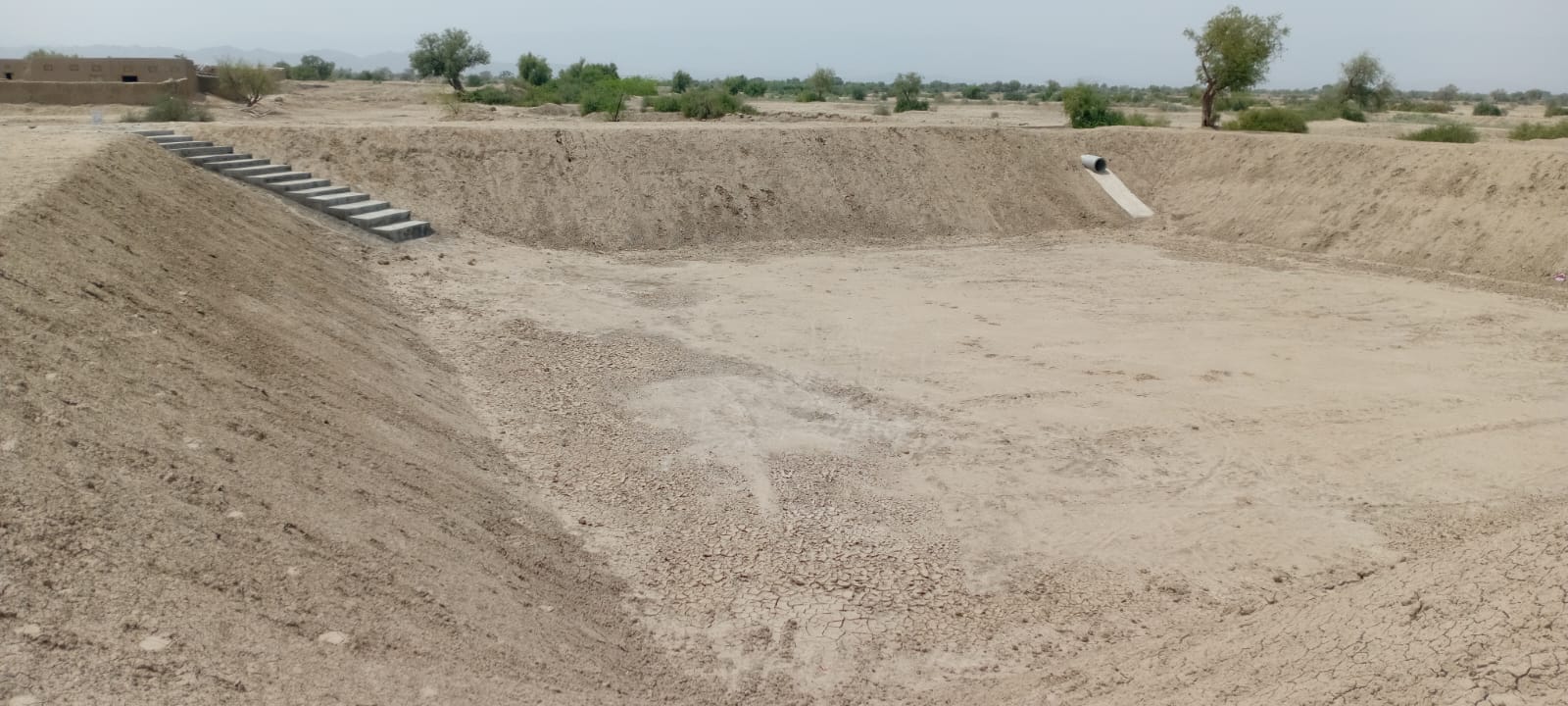
- Establishment of 10 small-scale Rod Kohi ponds for floodwater control and irrigation.
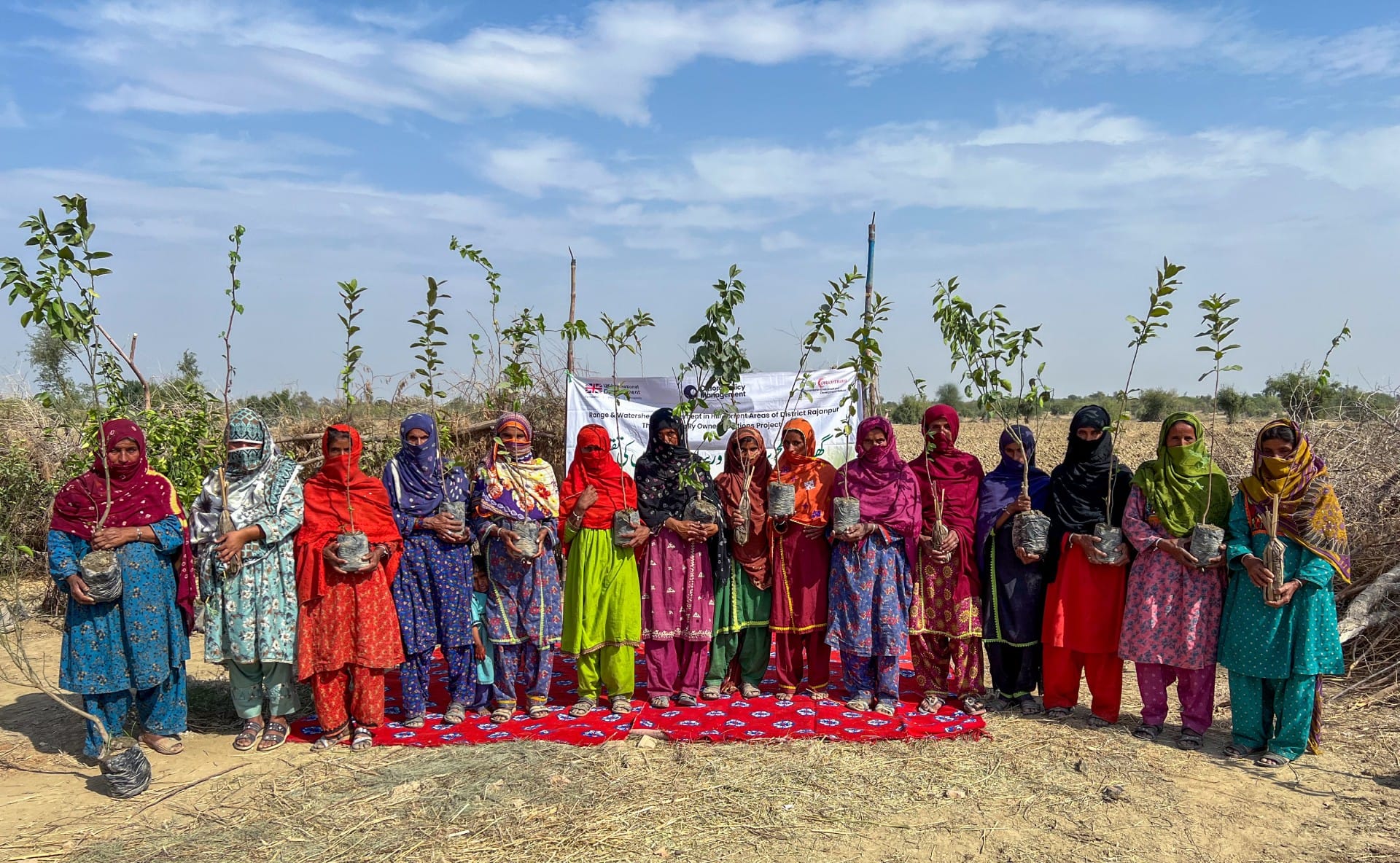
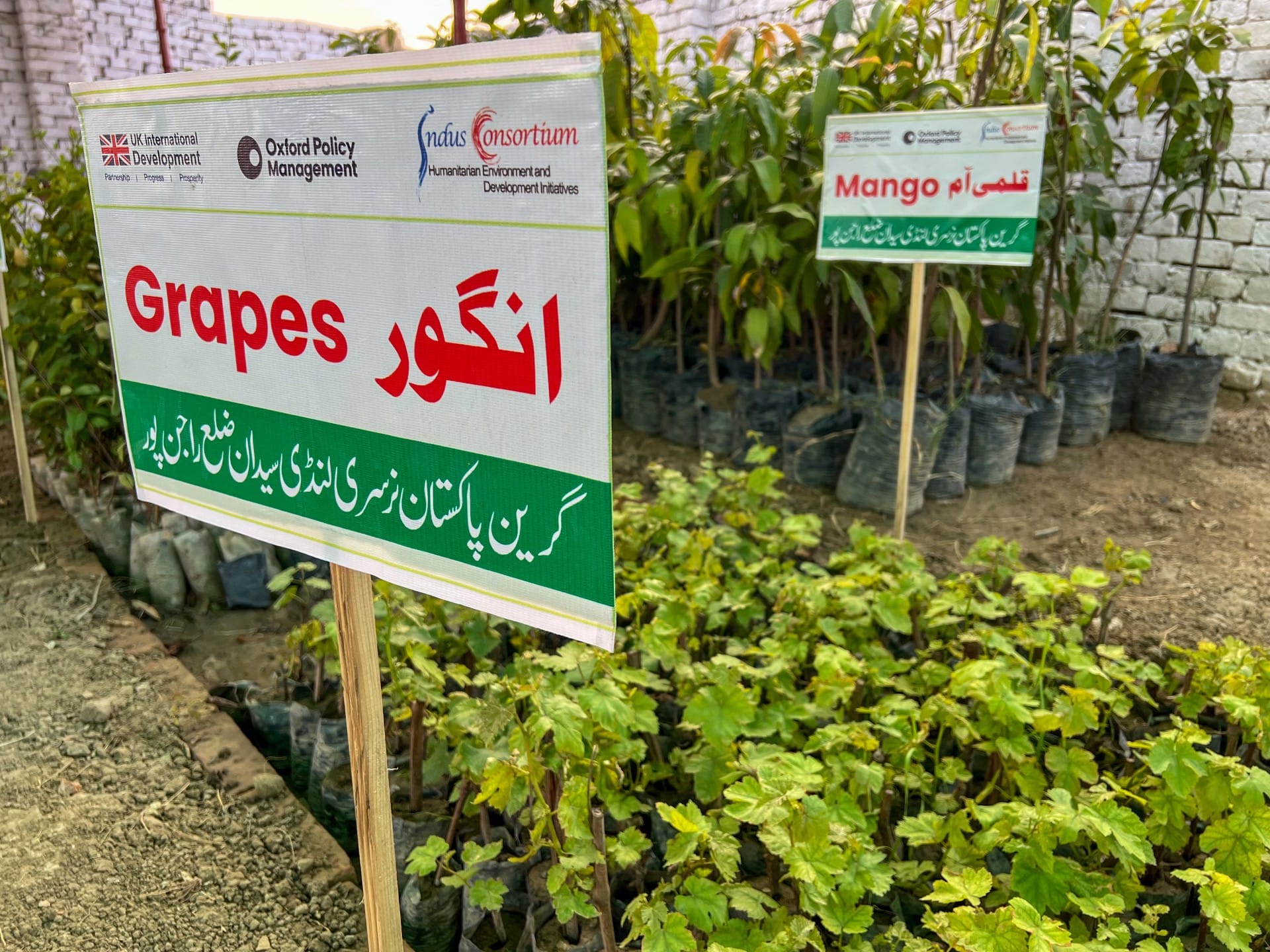
- Development of 20 small forests, nurseries, and fodder tree plantations for soil and range restoration.
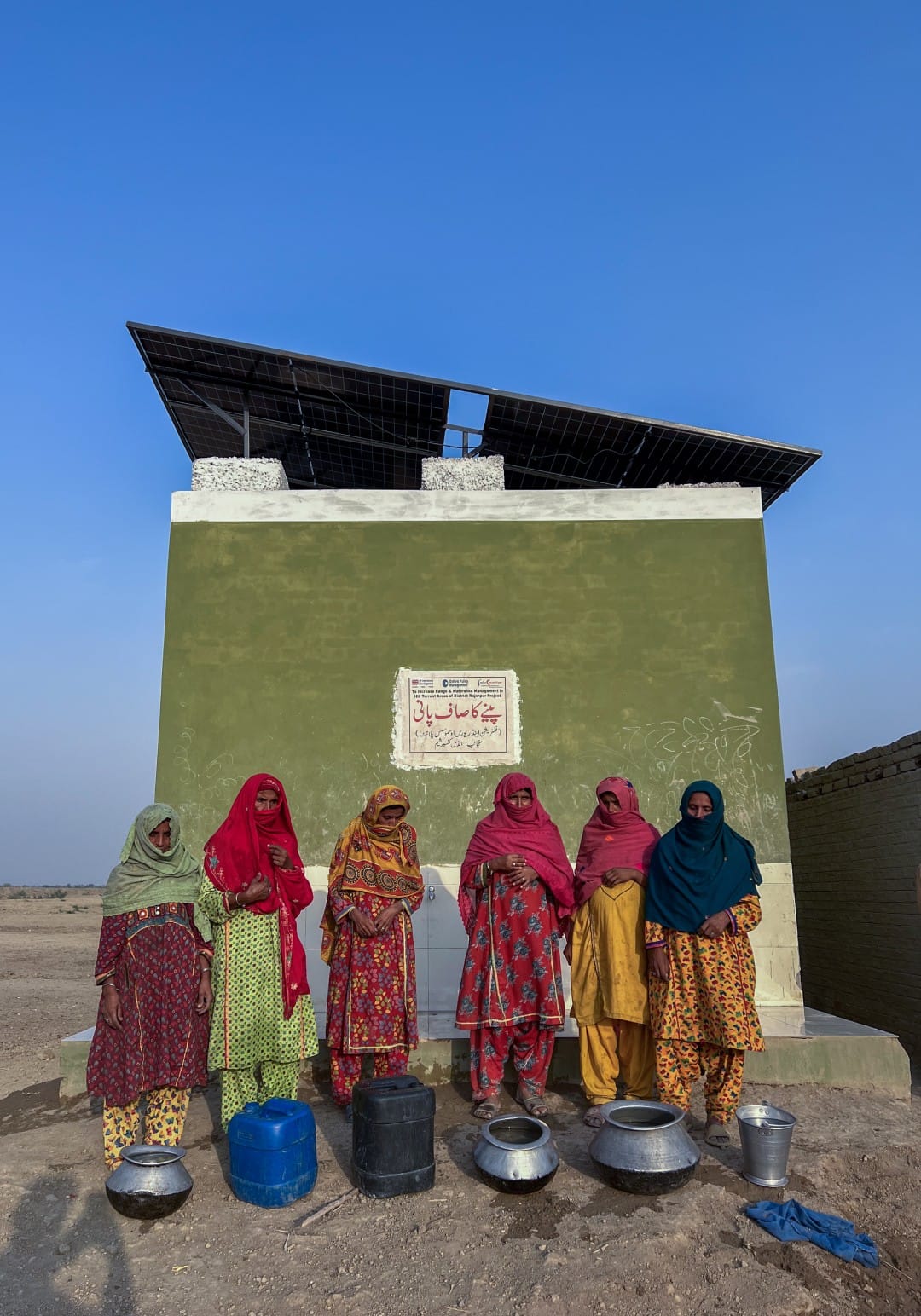
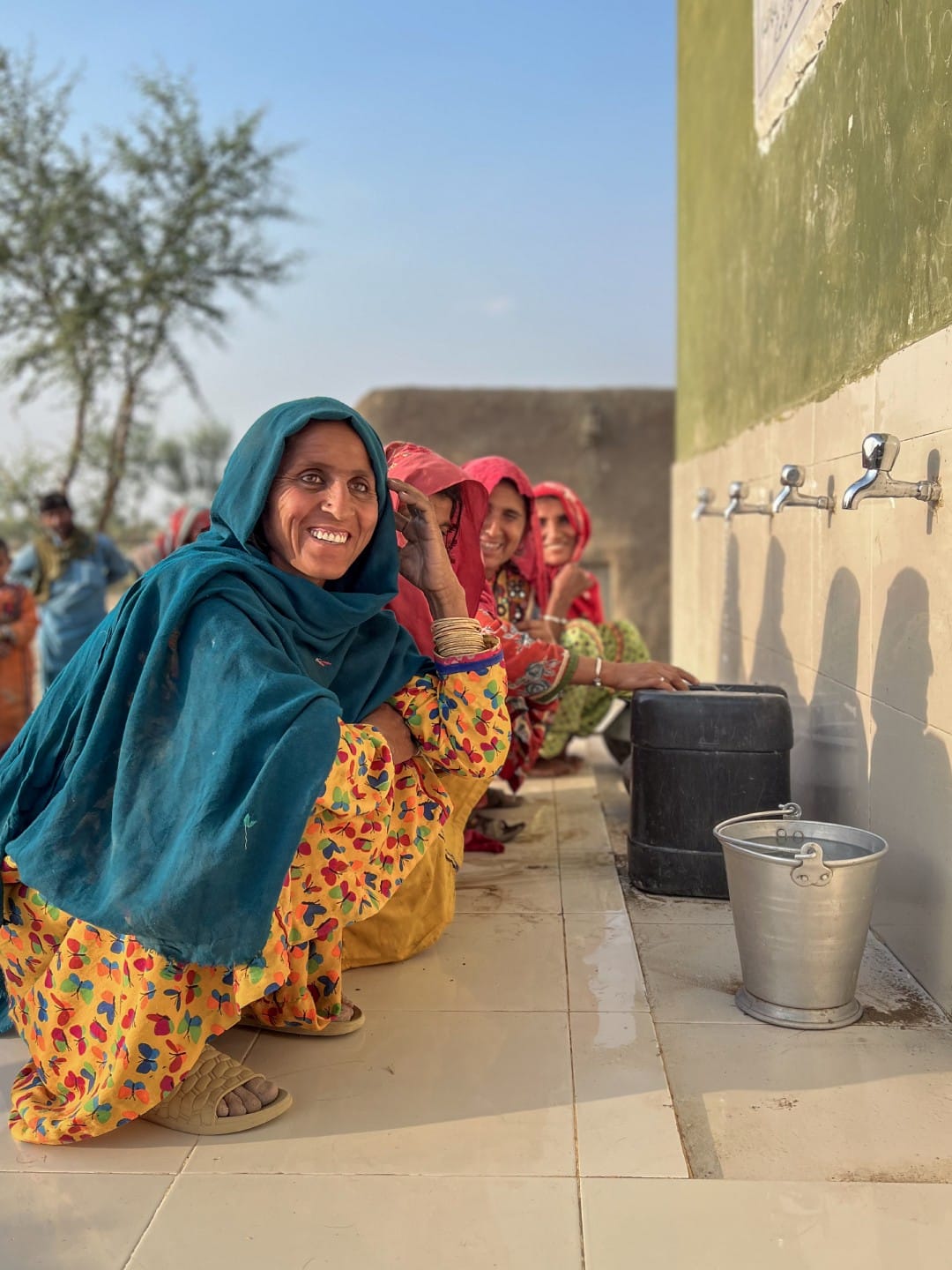
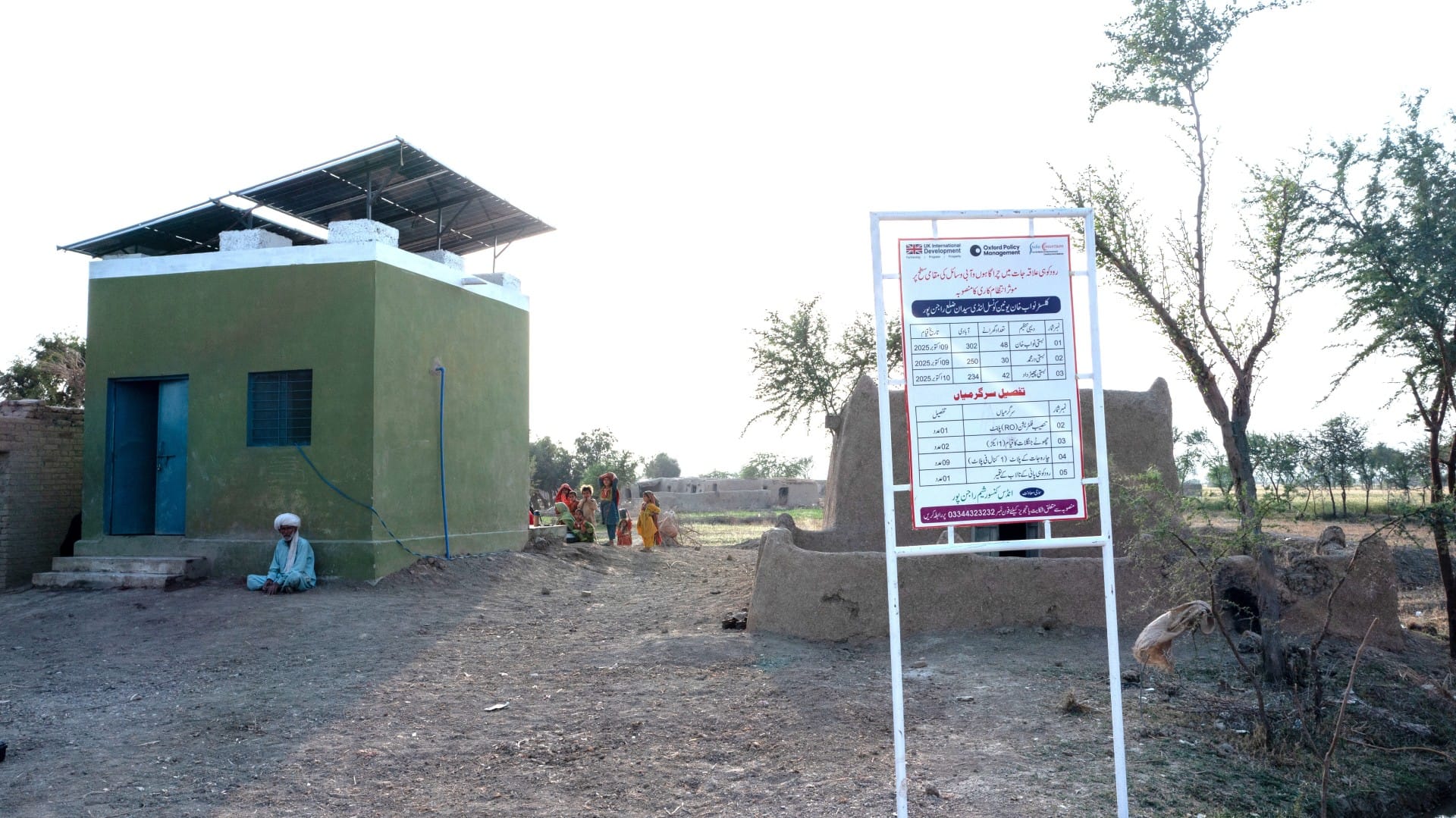
- 2 Solar-powered RO plants for safe drinking water access.
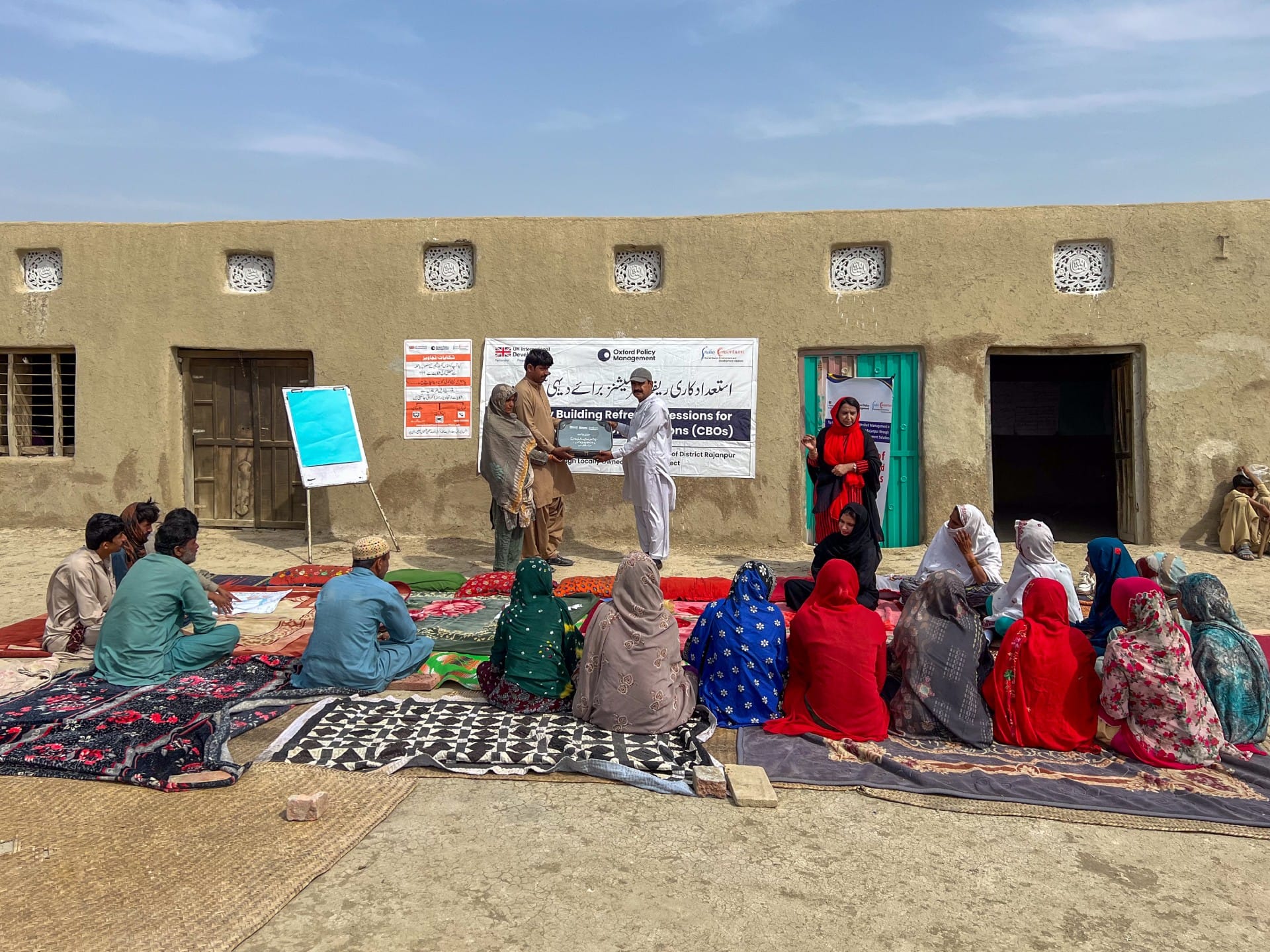
- Formation of 15 Community-Based Organizations (CBOs) to manage and sustain intervention and engaging women, youth, and persons with disabilities.
Expected Social Impact:
- The Project will improve water availability and access for households and livestock.
- Livelihood diversification through forestry and nursery-based income.
- Strengthened local ownership and participation of women and marginalized groups in resource management.
- Contribution to climate justice and environmental sustainability in Rajanpur’s fragile hilly ecosystems.
- Enhanced community resilience against climate shocks.
Water Documentary
Inclusive Water Governance Programme Documentary (Indus Consortium)